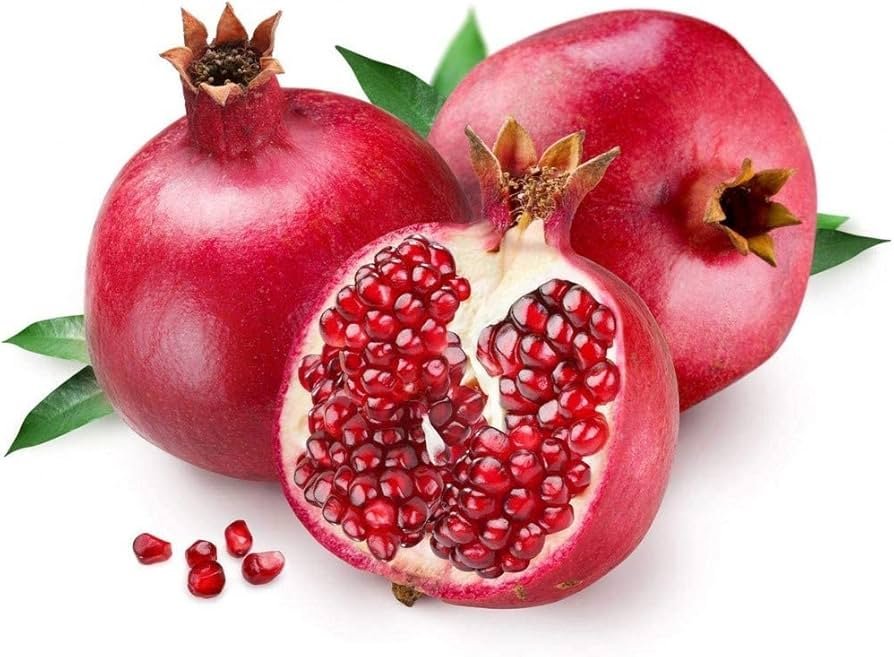
Pomegranate: The Jewel of Fruits
Pomegranate, scientifically known as Punica granatum
Pomegranate, scientifically known as Punica granatum, is a vibrant, ruby-red fruit known for its delicious taste, rich nutritional value, and symbolic cultural significance. Often referred to as the “jewel of winter,” this fruit has been cherished for thousands of years across various civilizations for its health benefits and striking appearance.
Origin and History
Native to the region extending from Iran to northern India, pomegranates have been cultivated since ancient times. They are mentioned in ancient Egyptian texts and Greek mythology, and are even found in the religious texts of Judaism, Christianity, and Islam. In many cultures, the fruit symbolizes prosperity, fertility, and abundance.
Nutritional Value
Pomegranates are a powerhouse of nutrients. One medium-sized fruit (about 200 grams) contains:
Health Benefits
Heart Health:
Pomegranates help reduce blood pressure, lower cholesterol, and improve overall heart health due to their high antioxidant content.
Anti-Inflammatory Effects:
Pomegranate juice has strong anti-inflammatory properties, which can help with chronic conditions like arthritis.
The word “pomegranate” is derived from Latin, meaning “seeded apple.”